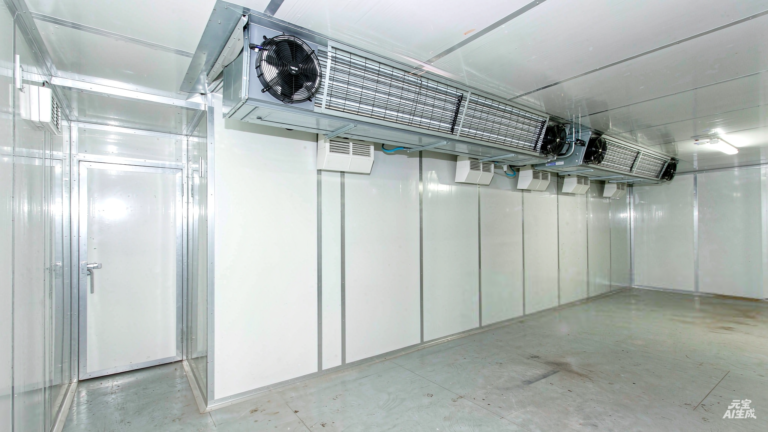

Heat exchangers play an important role in HVAC, refrigeration, and industrial cooling by transferring heat between fluids or between a fluid and air. A well-designed and maintained exchanger can improve temperature control while reducing wasted energy.
Efficient Heat Transfer
Effective coils and heat-transfer surfaces move the required amount of heat with less fan, pump, or compressor effort. Correct sizing helps the system operate close to its intended conditions.
Why Clean Surfaces Matter
Dust, scale, oil, and frost add resistance to heat transfer. When surfaces are clean and airflow or water flow is stable, equipment can reject or absorb heat more efficiently.
Reduce Unnecessary Pressure Drop
Coil geometry, fin spacing, circuit design, and flow path all affect pressure drop. Excessive resistance forces fans or pumps to work harder, increasing electricity consumption.
Use Controls and Monitoring
Temperature and pressure readings can reveal performance changes before they become major failures. Trend monitoring supports timely cleaning, adjustment, and maintenance.
Plan for the Operating Environment
Corrosion protection, frost tolerance, water quality, and ambient conditions should be considered during selection. A design that remains clean and reliable usually provides better energy performance over its service life.
Conclusion
Energy efficiency is not determined by the heat exchanger alone. Proper selection, clean surfaces, suitable airflow, accurate controls, and preventive maintenance work together to deliver dependable performance.